

Orchestral Manoeuvres in the Dark — Où écouter à la radio
2 stations de radio ont diffusé Orchestral Manoeuvres in the Dark. Choisissez-en une et écoutez en direct gratuitement.
- Origine
- Meols, Royaume-Uni
- Actif depuis
- 1977
À propos de Orchestral Manoeuvres in the Dark
Orchestral Manoeuvres in the Dark est un artiste new wave, electronic et british, actif depuis 1977. Origine : Meols, Royaume-Uni. ArtisFind a détecté 2 diffusions de Orchestral Manoeuvres in the Dark sur 2 stations de radio (Pologne et Pays-Bas), la plus récente sur Radio Forever 80s il y a 23 j. La chanson la plus entendue à l’antenne est « Telegraph (Extended Version) ».
Orchestral Manoeuvres in the Dark (OMD) are an English electronic band formed in Meols, Merseyside in 1978 by Andy McCluskey (vocals, bass guitar) and Paul Humphreys (keyboards, vocals). Regarded as pioneers of electronic music, the group combined an experimental, minimalist ethos with pop sensibilities, becoming key figures in the emergence of synth-pop. OMD were Britain's first performing, two-piece synthesizer band and have been described as the "original synth-pop duo"; despite a shifting line-up, the central pairing of McCluskey and Humphreys remains the group's primary identifier. In the United States, the band were an early presence in the MTV-driven Second British Invasion.
McCluskey and Humphreys led the Id, a precursor group, from 1977 to 1978 and re-recorded their track "Electricity" as OMD's debut single in 1979. Weathering an "uncool" image and a degree of hostility from music critics, the band achieved popularity throughout Europe with the 1980 anti-war song "Enola Gay", and gained further recognition via Architecture & Morality (1981) and its three hit singles. Although later reappraised, Dazzle Ships (1983) was seen as overly experimental, and eroded European support. OMD embraced a more radio-friendly sound on Junk Culture (1984); this change in direction led to greater success in the US, and spawned hits including "If You Leave" (from the 1986 film Pretty in Pink). Some journalists dubbed McCluskey and Humphreys the "Lennon–McCartney of synth-pop".
In 1989,…
Orchestral Manoeuvres in the Dark à la radio en chiffres
- 2
- Diffusions détectées
- 2
- Stations
- 2
- Pays
- juin 2026
- Première détection
Stations qui ont joué Orchestral Manoeuvres in the Dark

Derniers passages détectés
- Telegraph (Extended Version)il y a 23 j
- Enola Gayil y a 116 j
Chansons de Orchestral Manoeuvres in the Dark les plus diffusées à la radio
- 1Telegraph (Extended Version)1×
- 2Enola Gay1×
Pays où Orchestral Manoeuvres in the Dark passe à la radio
Questions fréquentes sur Orchestral Manoeuvres in the Dark
Quelles radios diffusent Orchestral Manoeuvres in the Dark ?
Orchestral Manoeuvres in the Dark a été détecté sur 2 stations de radio, dont Radio Forever 80s et Radio Houtstoker.
Quelles chansons de Orchestral Manoeuvres in the Dark passent le plus à la radio ?
Les titres les plus entendus à l’antenne sont « Telegraph (Extended Version) » et « Enola Gay ».
D’où vient Orchestral Manoeuvres in the Dark ?
Origine de Orchestral Manoeuvres in the Dark : Meols, Royaume-Uni.
Comment écouter Orchestral Manoeuvres in the Dark à la radio gratuitement ?
Choisissez une des stations ci-dessus sur ArtisFind et appuyez sur play : c’est gratuit, sans inscription ni téléchargement.
Discographie
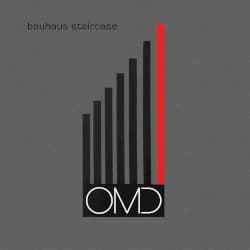 Bauhaus Staircase
2023
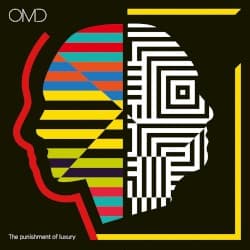 The Punishment of Luxury
2017
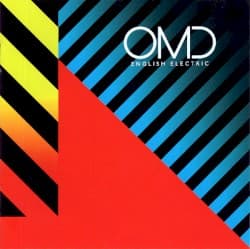 English Electric
2013
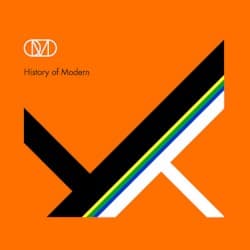 History of Modern
2010
 Universal
1996
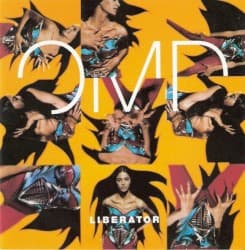 Liberator
1993
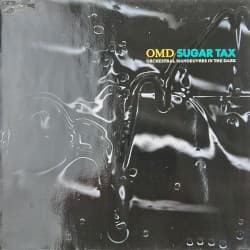 Sugar Tax
1991
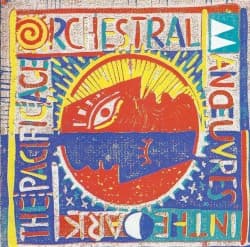 The Pacific Age
1986
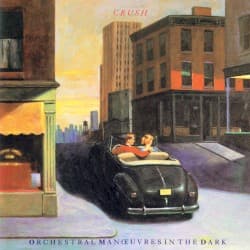 Crush
Crush
1985
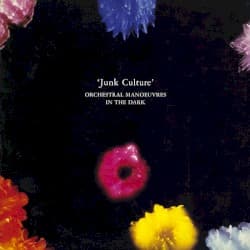 Junk Culture
1984
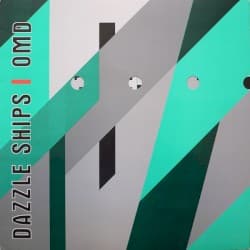 Dazzle Ships
1983
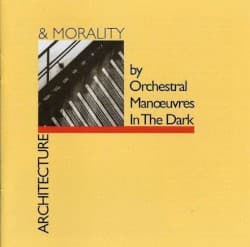 Architecture & Morality
1981
Membres
Malcolm Holmes
drums (drum set)
1979–1989
David Hughes
additional, background vocals, keyboard, percussion
1980–1980
Martin Cooper
1980–1989
Michael Douglas
additional, electronic organ, piano, synthesizer
1981–1981
Graham Weir
additional, guitar
1984–1987
Graham Weir
additional, keyboard
1984–1987
Graham Weir
additional, trombone
1984–1987
Neil Weir
additional, trumpet
1984–1987
Neil Weir
additional, bass
1984–1987
Stuart Kershaw
drums (drum set)
1990–2005
Phil Coxon
1993–1994
Malcolm Holmes
drums (drum set)
2005–2013
Martin Cooper
2005–présent
Stuart Kershaw
drums (drum set)
2015–présent
Paul Humphreys
principal
Andy McCluskey
principal
Liens externes
Données via MusicBrainz • musicbrainz.org