

The Moody Blues — Où écouter à la radio
1 station de radio a diffusé The Moody Blues. Choisissez-en une et écoutez en direct gratuitement.
- Origine
- Birmingham, Royaume-Uni
- Actif depuis
- 1964–2018
À propos de The Moody Blues
The Moody Blues est un artiste progressive rock, art rock et pop rock, actif depuis 1964. Origine : Birmingham, Royaume-Uni. ArtisFind a détecté 1 diffusion de The Moody Blues sur 1 station de radio (Canada), la plus récente sur Hits FM il y a 56 j. La chanson la plus entendue à l’antenne est « Higher And Higher - Single ».
The Moody Blues were an English rock band formed in Birmingham in May 1964. The group initially consisted of Graeme Edge (drums), Denny Laine (guitar/vocals), Mike Pinder (keyboards/vocals), Ray Thomas (multi-instrumentalist/vocals) and Clint Warwick (bass/vocals). Originally part of the British beat and R&B scene of the early-to-mid-1960s, they came to prominence with the UK No. 1 and US Top 10 single "Go Now" in late 1964/early 1965. Laine and Warwick both left the band in 1966, with Edge, Pinder and Thomas recruiting new members Justin Hayward (guitar/vocals) and John Lodge (bass/vocals). They embraced the psychedelic rock movement of the late 1960s, with their second album, Days of Future Passed (1967), a fusion of rock with classical music (performed with the London Festival Orchestra). It has been described as a "landmark" in the development of art rock and progressive rock, and "one of the first successful concept albums".
The group released six more albums – In Search of the Lost Chord (1968), On the Threshold of a Dream, To Our Children's Children's Children (both 1969), A Question of Balance (1970), Every Good Boy Deserves Favour (1971) and Seventh Sojourn (1972) – and toured extensively until they went on hiatus in 1974. Their records from this period were among the most successful in the progressive rock genre and produced FM radio hits such as "Nights in White Satin" (1967; charting again in 1972 and 1979), "Tuesday Afternoon" (1968), "Question" (1970), "The…
The Moody Blues à la radio en chiffres
- 1
- Diffusions détectées
- 1
- Stations
- 1
- Pays
- août 2026
- Première détection
Stations qui ont joué The Moody Blues
Derniers passages détectés
- Higher And Higher - Singleil y a 56 j
Chansons de The Moody Blues les plus diffusées à la radio
- 1Higher And Higher - Single1×
Pays où The Moody Blues passe à la radio
Radios qui diffusent The Moody Blues par genre
Artistes diffusés sur les mêmes radios que The Moody Blues
Questions fréquentes sur The Moody Blues
Quelles radios diffusent The Moody Blues ?
The Moody Blues a été détecté sur 1 station de radio, dont Hits FM.
Quelles chansons de The Moody Blues passent le plus à la radio ?
Les titres les plus entendus à l’antenne sont « Higher And Higher - Single ».
D’où vient The Moody Blues ?
Origine de The Moody Blues : Birmingham, Royaume-Uni.
Comment écouter The Moody Blues à la radio gratuitement ?
Choisissez une des stations ci-dessus sur ArtisFind et appuyez sur play : c’est gratuit, sans inscription ni téléchargement.
Discographie
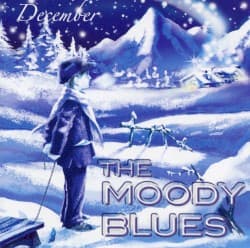 December
2003
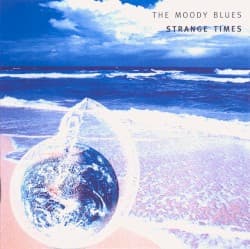 Strange Times
1999
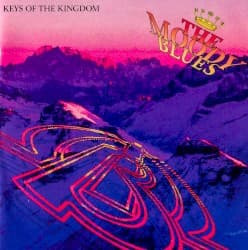 Keys of the Kingdom
1991
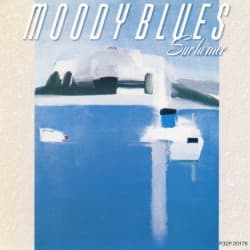 Sur la mer
1988
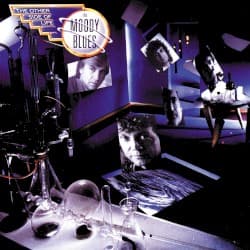 The Other Side of Life
1986
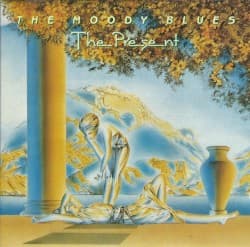 The Present
1983
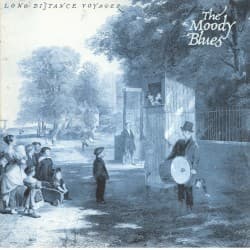 Long Distance Voyager
1981
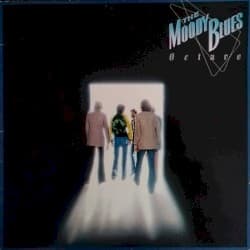 Octave
1978
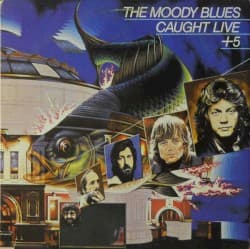 Caught Live +5
1977
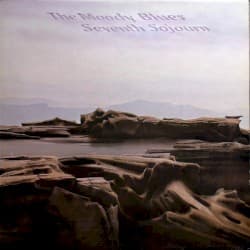 Seventh Sojourn
1972
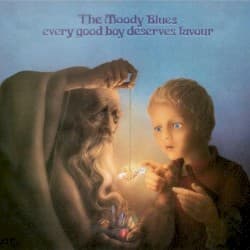 Every Good Boy Deserves Favour
1971
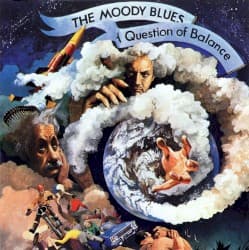 A Question of Balance
1970
Membres
Denny Laine
guitar, lead vocals, original
1964–1966
Clint Warwick
bass guitar, lead vocals, original
1964–1966
Mike Pinder
keyboard, lead vocals, original
1964–1979
Ray Thomas
flute, harmonica, lead vocals, original, percussion
1964–2002
Graeme Edge
drums (drum set), lead vocals, original, percussion
1964–2018
Rodney Clark
bass guitar, lead vocals
1966–1966
Justin Hayward
guitar, lead vocals
1966–2018
John Lodge
bass guitar, guitar, lead vocals
1966–présent
Patrick Moraz
keyboard
1978–1991
Bias Boshell
additional, keyboard
1986–1986
Janis Liebhart
additional, background vocals
1986–1987
Wendy McKenzie
additional, background vocals
1986–1987
Guy Allison
additional, keyboard
1987–1990
Shaun Murphy
additional, background vocals
1988–1990
Naomi Star
additional, background vocals
1988–1990
Bekka Bramlett
additional, background vocals
1990–1990
Terry Wood
additional, background vocals
1990–1990
Bias Boshell
additional, keyboard
1990–2001
Paul Bliss
additional, guitar, keyboard
1990–2010
Gordon Marshall
additional, drums (drum set), percussion
1990–2018
June Boyce
additional, background vocals
1991–1993
Susan Shattock
additional, background vocals
1991–2000
Tracy Graham
additional, background vocals
1993–2001
Bernie Barlow
additional, background vocals, keyboard, percussion
2001–2006
Norda Mullen
additional, background vocals, flute, guitar, percussion
2003–2018
Julie Ragins
additional, background vocals, guitar, keyboard, percussion, saxophone
2006–2018
Bernie Barlow
additional, background vocals, keyboard
2009–2010
Alan Hewitt
additional, background vocals, keyboard
2010–2018
Denny Laine
Liens externes
Données via MusicBrainz • musicbrainz.org